I’m going to set aside my own giant ego today to shine the light on another writer more than worthy of your attention: Max Eastern.
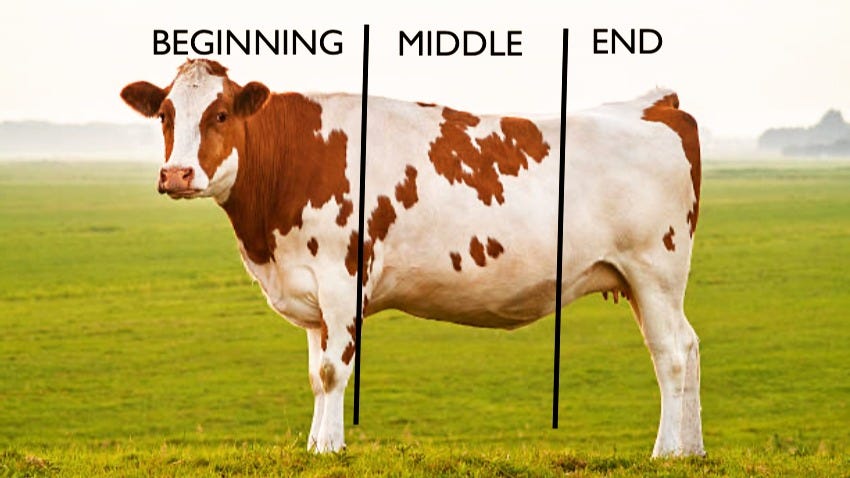
Max and his wife Nancy Bilyeau are both historical novelists (and friends of mine) in New York. The exciting news is that they’ve started their own publishing company, Admiral Road, and the even more exciting news is that they launch their first novel today, Red Snow in Winter. This means you’re in at the beginning. (The beginning is always the finest place to be, because you hold every strand of possibility in your hand, before the Fates start to prune them.)
And yet more exciting is that I got to read it early, and can recommend it to you with bells on.
Max is a lawyer who’s written about history for several magazines, with subjects ranging from Ulysses Grant and Benedict Arnold to Attila the Hun. But the ace up his sleeve for this World War II spy thriller is that his dad was actually an intelligence officer in the war, and passed along his stories. So, although the book is fiction, it has the ring of authenticity.
Without further ado, my review:
Julius Orlinsky thought his war was over, stuck behind a desk at the Pentagon, near the end of of World War II and on the cusp of the Cold War. He’s dead wrong. On his way home from a party, someone takes a shot at him, and suddenly he’s an intelligence man in the dark—and on the run, but whether it’s from Nazis, Reds, Uncle Sam, or a secret society that holds the secrets of all three, he can’t tell, and he’s running out of time to put the pieces of the puzzle together. His war is far from over.
D.C. is a small town getting smaller every moment. Every shadow holds a threat or revelation, but the wartime past is a vast world of lies, half-truths, and misunderstandings in every shade. That’s the world he’ll be forced to revisit if he’s going to survive.
Max Eastern attacks his story with dry aplomb and a stripped-down journalistic surety, yet it’s got more switchbacks than San Francisco’s Lombard Street, and every curve is taken with his foot on the gas. There’s a certain Hitchcockian lunacy to all the twists and turns in this one. It’ll keep you guessing till the last page.
But don’t take it from me, take it from these fine folks:
“This is a fast-moving, page-turning espionage thriller set just before the end of the war. Highly recommended for anyone who wants to be kept up at night!”
--Deborah Swift, author of The Shadow Network
“Red Snow is a well-paced thriller capturing the paranoia and moral complexity of WWII’s twilight hours. This is spy fiction that respects its readers’ intelligence, offering a nuanced exploration of loyalty, betrayal, and a little romance.”
--Emilya Naymark, author of ‘Behind the Lie’
“I found a great new-to-me author in Max Eastern. I love how he brought his characters to life and made the situations in this novel seem as though they were happening in front of me.”
— Terrie Farley Moran, national bestselling co-author of the Jessica Fletcher ‘Murder She Wrote’ mystery series.

This is one is for lovers of historical novels, thrillers, spy tales, and, yes, romance. It covers all the bases and stuffs all the stockings. You can find it here.
(Audio version of this post available HERE on Youtube.)